


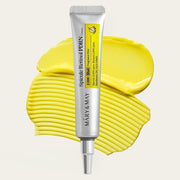
PDRN and retinol often share a shelf and a promise of smoother, younger-looking skin, yet on skin they behave very differently. One is a vitamin A ingredient that asks for patience and a careful start. The other is a DNA fragment ingredient that most skin barely notices going on, apart from feeling softer and more hydrated. Browse our PDRN skincare next to the retinol and retinal collection and you will spot a third option too. A growing number of Korean formulas refuse to choose and put both in the same bottle.
The quick answer. Pick retinol if your main goal is the look of fine lines, rough texture and uneven tone, and you are ready for a few weeks of adjustment at night. Pick PDRN if your skin is dry, sensitive or simply tired-looking and you want comfort, bounce and hydration with no learning curve, morning or night. If you want both, you can have both. PDRN is one of the easiest partners retinol has, and using it on retinol nights or on the nights in between is a sensible way to make vitamin A easier to live with.
Two Very Different Ingredients
Retinol is a vitamin A derivative, and it has the longest track record of anything people reach for when they care about the look of aging. Used steadily over months, it is known for a smoother, more even-looking surface, softer-looking lines and pores that look less obvious. Retinal is its closer, faster-acting cousin, and our guide to retinol or retinal in Korean formulas covers how to choose between the two.
PDRN, short for polydeoxyribonucleotide, is a purified DNA fragment ingredient, usually sourced from salmon, that appears on labels as Sodium DNA. Korean skincare uses it for a hydrated, plump, calm and resilient look. It does not ask your skin to adjust to anything, which is why it turns up in toners, serums, creams and sheet masks alike. If the ingredient is new to you, start with our explainer on what salmon DNA does in skincare.
How Each One Feels in the First Month
Retinol has its reputation for a reason. In the first two to four weeks many people notice dryness, light flaking around the nose and mouth, a tight feeling after cleansing or extra sensitivity to products that never bothered them before. That is the adjustment period. Most Korean retinol formulas are built to soften it, with encapsulation, modest strengths such as 0.1% and cushioning ingredients like panthenol and ceramides. Retinol can also make skin more sensitive to the sun, which is why it belongs to the evening and why sunscreen every morning is part of the deal.
PDRN feels like very little, in a good way. Serums are usually watery or lightly gel-like, creams tend to be cushiony, and the main thing people describe is skin that feels softer, more comfortable and better hydrated. There is no ramp-up schedule. You can wear it in the morning under sunscreen and again at night.
The one catch is texture. Many Korean PDRN and retinol products now include spicules, tiny needle-shaped particles from marine sponge that create a prickly tingle for a few minutes after application. That tingle comes from the spicules, not from the PDRN or the retinol, and it is worth knowing about before you buy if your skin is reactive. Salmon PDRN is also fish-derived, so anyone with a fish or seafood allergy should skip it or look for a clearly plant-sourced version.
Which to Pick for Your Skin Type
Sensitive or reactive skin. Start with PDRN. It gives you a step that feels purposeful without testing your barrier. If you want retinol later, introduce a low-strength, buffered formula once your skin has been calm for a few weeks, and keep a PDRN step close by. Our edit of products for sensitive, dry skin is a good place to build that base.
Retinol beginners. If your goal is the look of fine lines or texture, retinol is the one to learn, and a beginner formula two or three nights a week is the classic start. If you mostly want skin that looks fresher and more hydrated, PDRN gets you there with far less effort.
Oily and combination skin. Both work. Oily skin often settles into retinol faster than dry skin does, and a light PDRN toner or watery serum adds hydration without weight.
Dry skin. PDRN in a cream is an easy win. Retinol is still possible, but dry skin tends to feel the adjustment more, so pair it with a rich moisturizer and leave more nights between applications at first.
Mature-looking skin. This is where the pairing makes the most sense. Retinol does the slow work on the look of lines and texture, and PDRN keeps skin looking plump and comfortable along the way.
Pregnant, trying to conceive or nursing. Most retinol products advise against use during pregnancy and nursing, including every vitamin A formula named in this article. Talk to your doctor before using any vitamin A product. The PDRN-only formulas we carry do not carry that warning, though it is still wise to check with your doctor about anything new.
Can You Use PDRN With Retinol?
Yes, and it is one of the more comfortable pairings in skincare. There is no reason to keep them apart. PDRN does not make a retinol night harsher the way exfoliating acids or a strong vitamin C on the same night can. What it adds is the hydrated, settled look that early retinol nights can take away.
The one rule is that retinol sets the schedule. It stays at night, starts slow and gets sunscreen the next morning, while PDRN can go anywhere, any time of day.
Three Ways to Layer Them
Order follows the usual thin-to-thick logic, and our guide to the right order to layer skincare walks through every step if you want a refresher.
PDRN in the morning, retinol at night. The simplest split. A PDRN serum or cream goes on after cleansing in the morning, under sunscreen, and retinol takes the evening. A cushiony cream like the Dr. Althea PDRN Reju 2000 Cream, which leads with 0.2% salmon PDRN alongside ectoin, panthenol and ceramide NP and is made for morning and night, fits this pattern neatly.
Same night, with PDRN as the calming layer. Apply retinol to clean, dry skin, give it a minute, then follow with a PDRN serum and moisturizer, or a PDRN cream on its own. Buffering, meaning a hydrating or moisturizing layer before or after the retinoid, is a common way to soften the adjustment period, with the trade-off that visible results may build a little more slowly.
Alternate nights. Retinol one night, a PDRN comfort night the next. This is the gentlest option and suits sensitive skin or the first month. With a serum such as the Celimax Retinol Shot Tightening Serum, which pairs 0.1% retinol with a nine-peptide complex and asks new users to start every other night for two weeks, the off nights simply become PDRN nights.
Korean Formulas That Put Both in One Step
If you would rather not juggle two products, Korean brands have done the combining for you. The logic is the same in each, a retinoid for the long game on texture and lines, with PDRN and barrier-friendly ingredients alongside it for comfort.
The Mary&May Smart Retinol Spicule PDRN Cream pairs a controlled-release retinol with sodium DNA, ceramide NP and phytosterols, plus 200,000 micro spicules, in a 15 g jar. The brand pitches it at first-time retinol users, starting every other evening. The Centellian24 PDRN Firming Boosting Ampoule takes the serum route, with salmon PDRN, retinol, ginseng extract, hydrolyzed collagen and niacinamide, used in the evening under moisturizer.
For a softer serum, the Mary & May Seoul Edition Retinol Bakuchiol Cica PDRN Serum combines 0.1% retinol with 1,000 ppm bakuchiol, centella and PDRN. Our own Vionine Retinal Shot Plus PDRN Cica Night Cream is the step-up option, pairing 0.1% retinal with 2000 ppm sodium DNA, 2% niacinamide and 1% panthenol in a fragrance-free cream meant to start two or three nights a week. All of these contain vitamin A, so the usual rules apply across the board. Evenings only, a slow start, sunscreen the next morning, and none of them during pregnancy or nursing.
The Look of Fine Lines, Honestly
This is the PDRN vs retinol for wrinkles question, and the fair answer is that they work on the look of fine lines in different ways. Retinol is the ingredient with the long history here. With months of consistent use, it is known for softening the look of fine lines and smoothing rough-looking texture, which is why it anchors most firmness and fine lines routines.
PDRN works faster and closer to the surface. Well-hydrated, plump-looking skin makes fine lines look less pronounced, especially the dry, crepey kind that shows up after cleansing. That is pleasant and visible, but it is not what months of retinol are known for. If vitamin A does not suit you right now, PDRN with peptides is a gentler path with more modest expectations. Think of PDRN as the ingredient that makes skin look rested this week, and retinol as the one you judge after a few months.
Mistakes That Undo the Pairing
Using PDRN as a reason to rush retinol. A calming layer makes retinol nights more comfortable. It does not replace the slow start. Begin with two or three nights a week and build only while your skin stays comfortable.
Doubling up on vitamin A. A retinol serum under a retinol and PDRN cream means two doses of vitamin A in one evening. A combination product counts as your retinoid step, so pair it with plain PDRN or a simple moisturizer instead.
Stacking spicules. A spicule serum, a spicule cream and an exfoliating toner on the same night is a lot for any face. Keep to one spicule product per routine, and keep exfoliating acids on different nights from retinol.
Skipping sunscreen because PDRN feels gentle. A gentle PDRN layer does nothing to offset retinol and sun sensitivity. Finish every morning with sunscreen for as long as vitamin A is in your routine.
Shop PDRN and Retinol
Two formulas that combine both, a beginner retinol serum, and two PDRN steps for comfort on any night.


Frequently Asked Questions
Is PDRN better than retinol?
Neither is better across the board. Retinol has the longer track record for the look of fine lines and texture, but it comes with an adjustment period. PDRN is gentler and focused on hydration, comfort and a plumper look. The right pick depends on your skin and your main goal.
Can you use PDRN and retinol together every night?
You can, once your skin is used to the retinoid. PDRN itself is fine nightly. Retinol frequency is the part to watch, so build it up gradually and pull back if dryness or stinging does not settle.
Should PDRN go before or after retinol?
Either works. Retinol first and PDRN after is a common way to finish with a calming layer, while a light PDRN serum first acts as a buffer. Follow either order with moisturizer.
Is PDRN a retinol alternative?
Not a direct one, since PDRN does not do what retinol is known for. If you want a gentler stand-in for the look of fine lines, peptides and bakuchiol are closer, and PDRN pairs well with both. Our Korean skincare ingredient glossary explains each of them.
Will PDRN make retinol less drying?
It can make retinol nights feel more comfortable, because PDRN formulas tend to be hydrating and often include panthenol, ceramides or hyaluronic acid. It will not remove the adjustment period entirely, so a slow start still matters.
Can I use PDRN while pregnant?
Ask your doctor about any new product during pregnancy. The PDRN-only formulas we carry do not carry a vitamin A warning, but many PDRN products also contain retinol or retinal, which most labels advise against during pregnancy and nursing. Check the full ingredient list before you buy.


