


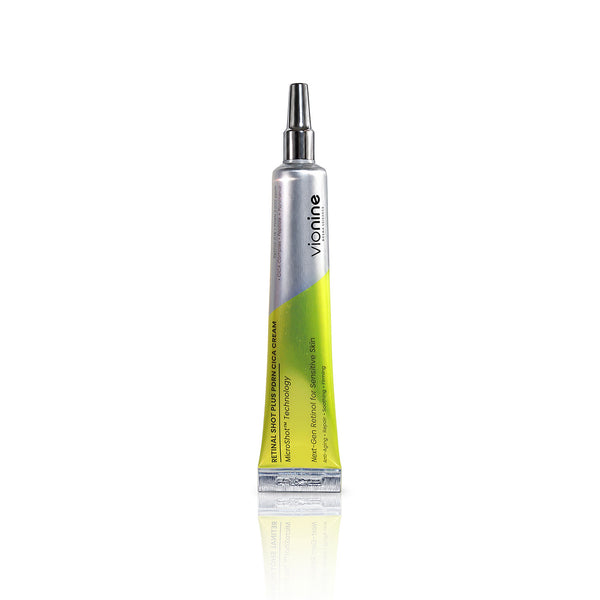


Korean Face Creams Are Built Around Barrier Support, Not Just Water
A moisturizer is the closing step of a routine, the layer that seals in everything the steps before it deposited. What sets Korean cream formulas apart from many Western ones is where the attention goes: the skin barrier itself. Ingredients like ceramides, madecassoside, and cica do more than pull in water. Ceramides are core building blocks of the outer layer, and they naturally decline with age, active use, and environmental stress. A cream that replaces some of that helps slow transepidermal water loss, the quiet leak of moisture through the surface, so skin looks plumper and feels less tight. Formulas built on this idea aim to support a comfortable skin barrier rather than just coat it for an hour.
That barrier focus matters most when you already use strong actives. Sealing a routine that includes retinol or exfoliating acids with a ceramide or centella cream makes the adjustment period more comfortable and keeps the surface looking calm rather than stripped. Madecassoside, the most active compound in Centella Asiatica, is a common reason people reach for these creams: it helps skin look less red and feel soothed after a demanding step. So choosing a cream is not only about how rich it feels. The ingredient profile matters just as much, and the smarter buys pair humectants with barrier-supporting components instead of leaning on occlusion alone.
How Do You Choose a Face Cream for Your Skin Type?
Format is as telling as the ingredient list. Oily and combination skin usually does well with a water-based gel cream or a light emulsion: these add moisture without a heavy, pore-clogging feel, and non-comedogenic, sebum-balanced formulas suit that profile best. Dry and mature skin benefits from richer creams with occlusive ingredients that slow overnight water loss, and a sleeping mask is the most intensive version of that idea. For reactive or sensitive skin, a short, fragrance-free ingredient list keeps the risk of irritation low. A simple order of operations helps here too: apply from the thinnest texture to the most cushioning, ending with the cream.
Morning and night creams earn their split. A daytime cream is often lighter in texture, and daily sunscreen still goes on top of it. A night cream tends to be richer and more occlusive, made to work with skin while you sleep, which is why many people layer it after a peptide serum or a night repair step. A sleeping mask sits one level above that: film-forming ingredients hold moisture in for hours, so skin feels smoother and more cushioned by morning. If you use an active serum at night, closing with a sleeping mask gives that step all night to settle. The result is a routine where each cream protects the work the earlier layers started.
Explore related edits: Moisture & Barrier, Centella (Cica), and Peptides.
Frequently Asked Questions About Face Creams
What does a ceramide cream do, and which skin types is it for?
Ceramides are one of the main structural pieces of the skin barrier, and they decline with age, active use, and environmental stress. A ceramide cream helps replace some of that, which slows transepidermal water loss and keeps the surface feeling more comfortable. It suits every skin type but is a first pick for dry, sensitive, or barrier-stressed skin. If you use retinol or acids, finishing the routine with a ceramide cream makes the adjustment period easier.
When should a face cream be applied in a routine?
Moisturizer is the last active step. Apply it after toner, serum, and eye care, working from the thinnest texture to the most cushioning. In the morning, daily sunscreen still goes on top of the cream. At night, the cream can be your closing layer, or you can add a sleeping mask over it for extra moisture.
What does a madecassoside cream do?
Madecassoside is the most active compound in Centella Asiatica. In a cream it helps skin look less red and feel soothed, which makes it a popular finish after a strong step like retinol or an acid. Sealing a demanding routine with a centella cream tends to leave the surface looking calmer and more even.
What is the difference between a gel cream and a rich cream?
A water-based gel cream or light emulsion adds moisture with a weightless finish, which suits oily and combination skin that wants hydration without a heavy feel. A richer cream carries more occlusive ingredients that slow overnight water loss, so it fits dry and mature skin better. Choose the format by how much cushioning your skin wants, not only by the ingredient list.
How do you use a sleeping mask?
A sleeping mask is the most intensive version of a night cream. Apply it as the final step at night, over your serum or regular moisturizer. Film-forming ingredients hold moisture in for hours, so skin feels smoother and more cushioned by morning. Two or three nights a week is plenty for most people, though dry skin can use it more often.
Is a separate day cream and night cream necessary?
It is helpful but not required. A daytime cream is usually lighter and pairs with sunscreen on top, while a night cream is richer and made to work with skin while you sleep. If you prefer one product, a balanced cream with barrier-supporting ingredients can cover both, with a heavier layer at night when skin has time to sit undisturbed.
Which cream is best after retinol or acids?
Reach for a cream focused on barrier support, such as one built around ceramides, madecassoside, or cica. Sealing an active step this way keeps the surface looking calm and feeling comfortable while your skin adjusts. Fragrance-free formulas are the safest choice if your skin runs reactive.
Are the face creams at Vionine authentic?
Yes, every face cream at Vionine is 100% authentic, sourced from the brands themselves, with fast US shipping.