




Blemishes Come From a Cycle, Not From Skipping a Wash
The most stubborn myth about breakouts is that scrubbing harder keeps skin clearer. It rarely works that way. Blemish-prone skin sits at the meeting point of oil production, cells building up inside the pore, surface bacteria, and the flushed, irritated look that follows. Stripping the skin bare does not calm any of that. When you take every trace of oil away with a harsh wash, the oil glands read it as a shortage and push out even more, so the skin looks shinier and more congested within days. Picking at a spot does its own damage: it spreads the contents into the surrounding skin, drags out how long the mark lingers, and sharply raises the odds of a lasting scar. The goal is to interrupt the loop instead, by loosening clogged pores, keeping oil in a steadier range, and helping the skin look and feel calmer. Formulas that reach for all three at once give the most consistent results.
A few actives carry most of the work. Salicylic acid, a BHA, is oil-soluble, so it slips into the pore lining and softens the plugs that show up as both bumps and inflamed-looking spots, and it stays gentle enough for regular use. Niacinamide keeps oil output more balanced, refines the look of pores over time, and fades the leftover redness and marks that a breakout leaves behind, whether it works alone or alongside a BHA. Azelaic acid is one of the rare picks that suits skin where blemishes and a naturally flushed tone overlap, since it targets both. Retinol and retinal work further upstream, speeding cell turnover so a clog dissolves before it ever surfaces. One condition sits under all of them: without daily sunscreen, none can stop a post-blemish mark from darkening.
How Do You Build a Morning and Night Routine Around Blemishes?
The morning routine is there to get skin through the day without provoking it: a mild, pH-balanced cleanser, a niacinamide serum or toner, a light moisturizer that will not clog pores, and sunscreen. Those four steps are enough before noon. Stacking a BHA or retinol into the morning only raises the risk of sun-related damage, so loading up early does not speed anything along. Even blemish-prone skin needs that moisturizer, by the way. Skip it and dehydrated skin simply signals the glands to make more oil, so a lightweight, fragrance-free gel or emulsion earns its place. A well-chosen oil and sebum control step keeps the surface comfortable rather than tight.
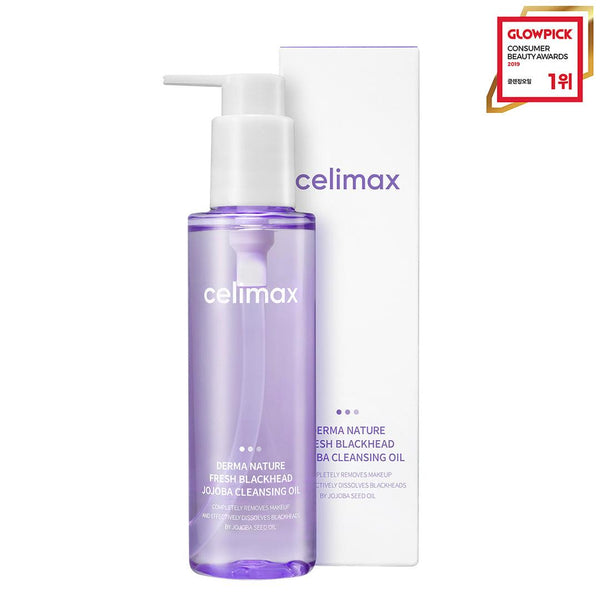
Evening is where the real work happens. Start with a double cleanse to lift the day's oil and sunscreen residue, then use a BHA toner or pad two to three times a week, and finish with retinol or azelaic acid in a night cream. An occasional deeper exfoliation, roughly every couple of weeks, sits outside the daily rhythm for extra clarity. If a spot does flare, a hydrocolloid patch draws out the contents and, just as usefully, stops you picking. Pair these steps with a focused treatment serum and, on lighter days, a purifying sheet mask to round out the week. Consistency, not intensity, is what moves the needle over four to six weeks.
Explore related edits: AHA, BHA & PHA, Niacinamide, and Oil & Sebum Control.
Frequently Asked Questions About Acne & Blemish
Should you pop a pimple, and why is squeezing a problem?
Squeezing might feel like relief in the moment, but it is not a real fix. Pressing on a spot spreads its contents into nearby skin, which can trigger fresh bumps in neighboring pores and stretch how long the mark lingers to two or three times as long. A hydrocolloid patch is the better move: it draws out the contents, blocks the urge to pick, and lets the spot settle far faster.
Should blemish-prone skin still use a moisturizer?
Yes, and skipping it usually makes things worse. Dehydrated skin nudges the oil glands to produce more, which reads as more congestion. The trick is the right texture: a non-comedogenic, fragrance-free, lightweight gel or emulsion that hydrates without sitting heavy on the pores.
My skin broke out more after starting a BHA, is that normal?
Often, yes. It is commonly called purging. A BHA speeds buildup already sitting inside the pore up to the surface, so for a short while it can look like more is appearing than before. This phase generally settles within four to six weeks, after which the pace eases off.
How do post-blemish marks and discoloration fade?
Leftover marks can look noticeably more even over eight to twelve weeks with a mix of niacinamide, azelaic acid, and tranexamic acid, though the process drags on without daily sunscreen. Deeper indented scarring is a different matter and is worth reviewing with a dermatologist.
What is hormonal acne, and does it behave differently?
Hormonal breakouts tend to appear about seven to ten days before a period and cluster around the chin, lower jaw, and lower cheeks. Skincare can help manage how the skin looks day to day, but it does not address the source, so a doctor's input may be needed for a lasting answer.
Can you wear makeup while caring for blemish-prone skin?
Yes, the right products will not set the process back. Non-comedogenic and mineral-based foundations are the safest choices. The one rule that matters most is never skipping the evening double cleanse, so nothing is left sitting on the skin overnight.
Can you exfoliate while a spot is active?
Heavy AHA peels over an inflamed, active spot can make it look worse. A BHA toner or a low-strength BHA pad is gentle enough to keep using through an active phase. Physical scrubs, on the other hand, are best left out entirely until things calm down.
Are Vionine's blemish-care products authentic, and how fast do they ship?
Yes, every product at Vionine is 100% authentic Korean skincare, with fast US shipping so you can start your routine without a long wait.