


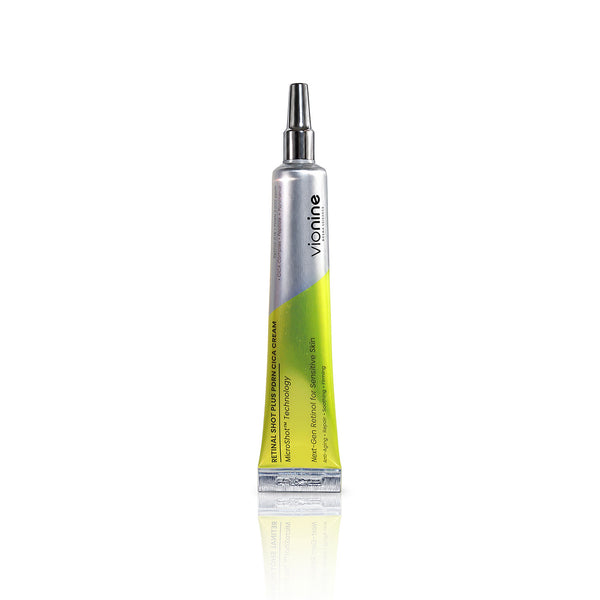


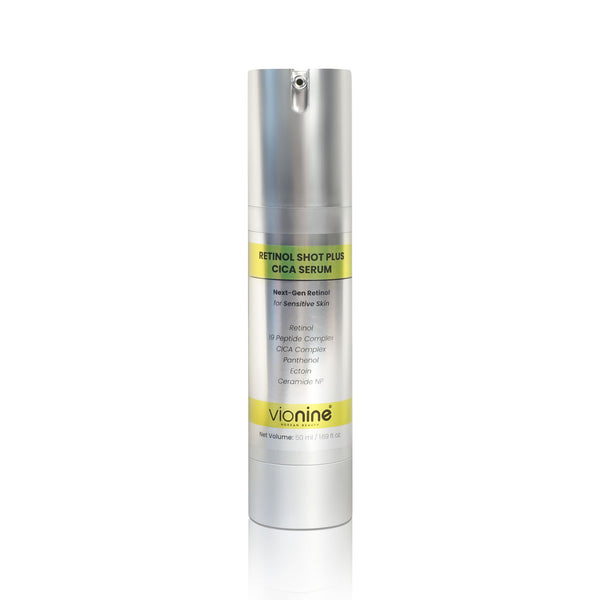


Retinol and Retinal: Vitamin A, From First Step to Next Level
Retinol is the most studied ingredient in anti-aging care, with decades of research behind it. It supports skin renewal, softens the look of lines and uneven texture, and helps refine the look of pores. Korean formulas usually pair it with ceramides, panthenol or niacinamide, which keeps it working while easing the dryness that can come early on. Retinal (retinaldehyde) sits one step closer to the form skin actually uses, so at a similar strength it tends to work faster, which is why it is aimed at skin already comfortable with retinol.
This collection brings both together so you can start where your skin is. If vitamin A is new to you, retinol is the sensible entry point; once your skin is used to it, retinal is the natural next move. Both belong in the evening only, and both reward patience over intensity.
How Do You Build a Retinol or Retinal Routine?
Start low and slow. Two or three nights a week at a gentle strength gives skin time to adjust, and a little dryness or flaking in the first few weeks is a normal part of that. Apply it last in your evening routine, and lean on ceramide or panthenol barrier support to stay comfortable. Bakuchiol is a plant-based alternative worth knowing if your skin finds retinol too much.
Once your skin has settled after four to six weeks, you can build frequency and then strength, or step up from retinol to retinal. Keep vitamin A away from AHAs and BHAs on the same night, and pair it with PDRN or cica to support renewal while keeping things calm. Daily sunscreen every morning is non-negotiable with any vitamin A routine.
Explore related edits: Firmness & Fine Lines, PDRN, and Niacinamide.
Frequently Asked Questions About Retinol & Retinal
What strength should I start retinol at?
A low strength is right for starting out, so skin can adjust. Once tolerance is established you can move up gradually.
Is peeling and redness normal when starting retinol?
Some dryness, flaking or redness in the first few weeks is the well-known adjustment phase. Support it with a ceramide or panthenol moisturizer, and cut back frequency if irritation persists.
How long does retinol take to work?
Texture and pores often improve within four to six weeks, while the look of lines shifts over eight to twelve weeks. Long-term use builds on the results.
What is the difference between retinol and retinal?
Retinal starts one conversion step ahead of retinol, so at a similar strength it tends to act faster. Being stronger, it needs a more careful adjustment, and moving to retinal before your skin is used to retinol is not advised.
How do I choose between retinol and retinal?
Retinol suits beginners and intermediate users with an easier adjustment. Retinal works faster but expects a tolerant skin. Getting comfortable with retinol first, then moving to retinal, is the most common path.
Can I use retinol or retinal with niacinamide?
Yes. Niacinamide eases the dryness of the adjustment period and supports the barrier. Applying niacinamide first, then vitamin A, is a common order.
Can sensitive skin use these?
With care. Formulas backed by cica or panthenol lower the risk of irritation. Sensitive skin is usually better starting with retinol and moving to retinal only once tolerance is established.