






Your Skin Shifts Into Repair Mode While You Sleep
Skin runs on a different clock at night. Through the day it stays in defense mode, guarding against UV, pollution, and the constant friction of daily life. After dark it switches over to renewal. Cell turnover climbs from around midnight into the early morning hours, blood flow to the skin increases, and the protein structures that took a beating during the day get rebuilt. This is why an evening routine can carry more active ingredients than a morning one: the same window that makes skin busiest also makes it most receptive. Think of the daytime steps as a protective layer and the nighttime steps as the actual restoration work.
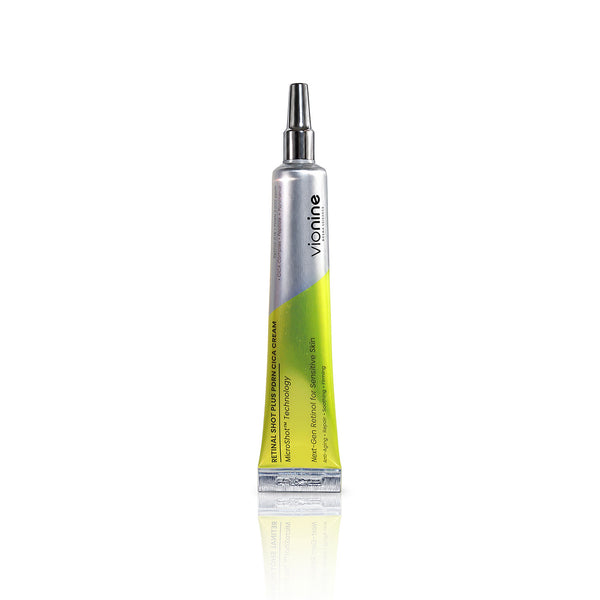
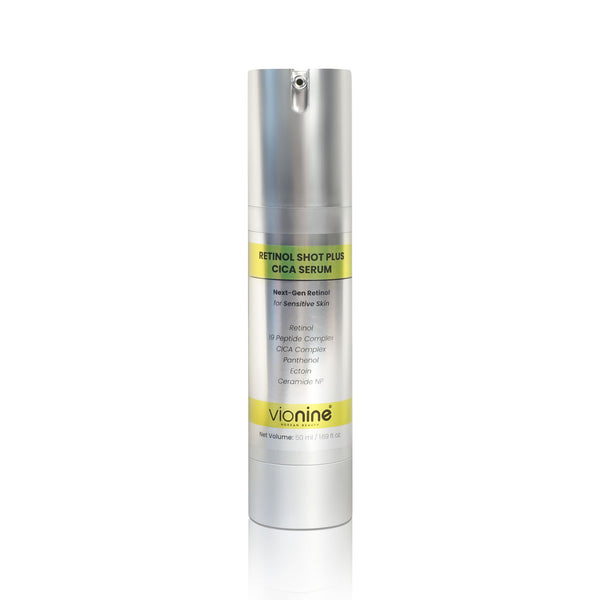
That biology is the reason ingredients like retinol and retinal, higher strength peptides, and PDRN get placed in the evening. With no sun to contend with, they sit more comfortably on the skin and do their job more efficiently. Retinoids in particular are best kept to nighttime, since they leave freshly renewed skin more sensitive to light. A night routine built around this window is less about piling on products and more about letting the right actives work while the skin is already primed to use them.
How Do You Build a Night Repair Routine?
Double cleansing is the non negotiable first step. Sunscreen, makeup, and the grime that settles on skin through the day form a film that blocks whatever you apply next, so an oil based step followed by a gentle water based wash clears the way. A pH balanced toner then preps the surface for absorption. The active serum step is where retinol or retinal usually lands, encouraging the renewal cycle and softening the look of pores over several weeks of steady use. A PDRN ampoule can share the same night or alternate with it, since the two get along without one canceling the other out.
The closing layer matters just as much as the active. A night cream with ceramides and centella derived ingredients seals everything in and supports a comfortable, well cushioned skin barrier through the night, and looking for a ceramide and peptide pairing in that final step is a good rule of thumb. Two or three nights a week, a sleeping mask adds a film forming top layer that slows moisture loss for hours. If your barrier feels stressed, dialing back to soothing centella and cica formulas for a few nights lets skin settle before you reintroduce the stronger steps.
Explore related edits: Retinol & Retinal, PDRN, and Moisture & Barrier.
Frequently Asked Questions About Night Repair
How many steps should a night routine have?
Four core steps cover it: double cleanse, toner, active serum, and a closing cream. Weekly extras like an exfoliant and a sleeping mask fill in from there. More steps do not automatically mean better results, since some actives can block each other's absorption. Getting the layering order right is worth more than adding steps.
Can retinol and PDRN be used the same night?
Yes, they are compatible and do not suppress one another. A practical order is toner, then a PDRN serum, then retinol, then your closing cream. Starting both on the same night can crowd the barrier, so it is easier to settle one in first and add the other once your skin is used to it.
Why does retinol cause irritation at first, and how do I reduce it?
Because retinol speeds up cell renewal, some flaking, redness, and sensitivity is normal in the first few weeks. The sandwich technique helps: apply a ceramide moisturizer before and after the retinol to cushion it. Beginning with two nights a week and increasing frequency every eight weeks or so keeps the adjustment gradual.
What should I use in the morning, and do night actives carry over?
Most night actives should not meet morning UV. Retinol and stronger AHA leave skin more sun sensitive, so the morning is built to protect: a gentle cleanser or water, an antioxidant serum or niacinamide, and a daily sunscreen. Keeping the morning simple leaves room for the evening actives to do their work.
How is a sleeping mask different from a night cream?
A sleeping mask is a more occlusive version of a night cream, using film forming ingredients to slow water loss for hours. A thin layer over your cream helps the active serum keep working through the night. It is not needed every night; two or three times a week on intensive care days it leaves skin looking plumper and smoother by morning.
Do I need sunscreen at night?
No. With no UV after dark, sunscreen stays out of the night routine. What is critical is that anyone using retinol or stronger AHA at night applies a daily sunscreen the next morning, since those actives leave skin more reactive to light and skipping protection invites uneven tone and irritation.
Is every product at Vionine authentic?
Yes, every product in the Night Repair edit at Vionine is 100% authentic Korean skincare, with fast US shipping.