




The Skin Barrier Is an Active Defense, Not Just Stored Water
The barrier is a lipid matrix built from ceramides, cholesterol, and fatty acids sitting between your surface skin cells. It does two jobs at once: it holds water in, and it keeps irritants, bacteria, and pollution out. When that structure weakens, trouble runs in both directions. Skin overreacts to things it used to tolerate, and water escapes without anything holding it back. The two problems feed each other, so skin ends up feeling parched and reactive at the same time. This is the reasoning behind the K-beauty habit of putting moisture first and actives second. If the barrier is not doing its job, a retinol or an exfoliating acid laid on top rarely delivers what you hoped for, and it can make sensitivity worse.
Because of that, barrier care is not one optional step. It is the foundation the rest of a routine stands on. A tired barrier tends to announce itself: products that were fine for months suddenly sting, skin feels tight right after cleansing, patches flake unevenly, and anything new provokes redness or a reaction. That damage is cumulative. It rarely comes from a single harsh product and more often from months of small habits that chip away at the lipids. The upside is that the same slow logic works in reverse, so a calm, consistent approach tends to bring visible comfort back over a few weeks.
How Do You Layer Moisture the Right Way?
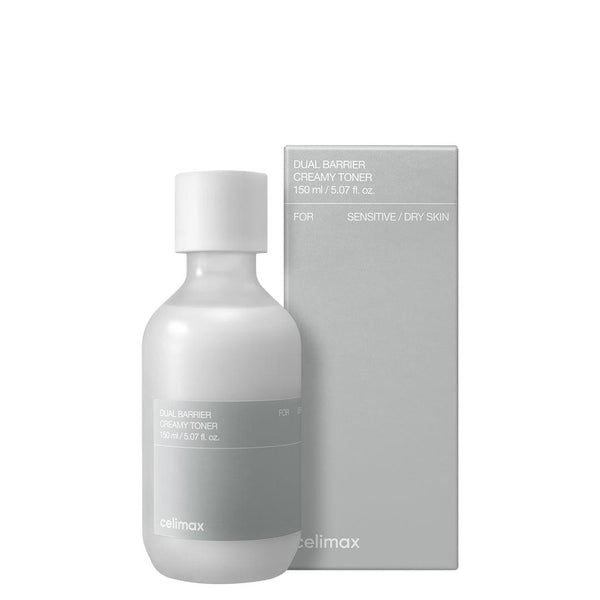
Think of hydration in three tiers, each with a different role. Humectants like hyaluronic acid, glycerin, and panthenol pull water toward the surface and hold it there. Barrier supporters such as ceramides, fatty acids, and squalane fill the gaps in the lipid matrix so the surface leaks less. Occlusives form a light film that slows evaporation, and shea butter is the best known of that group. An effective routine layers all three in order: humectant first, barrier support next, then a sealing step to close it off. When you choose a moisturizer, it helps to look for those groups working together rather than one ingredient alone. A humectant-rich toner laid down first is the most practical way to prep the skin, since the serum and cream that follow sink in deeper and last longer.
One caveat that trips people up: hyaluronic acid applied on its own, with nothing sealing over it, can backfire. It draws water but offers no guard against evaporation, so on a dry day it may leave skin drier than before. The fix is simple. Apply it to damp skin and follow immediately with a cream. If your skin runs oily yet still feels tight, that is dehydration, not excess oil, and the two are separate. Reach for lightweight, oil-free humectant layers instead of a heavy balm. And if the barrier is genuinely worn out, pause the actives, keep to a gentle cleanser, a ceramide and panthenol moisturizer, and daily sunscreen for two to four weeks, then add one active back at a time. A calming overnight step can strengthen that final sealing layer while you sleep.
Explore related edits: Hyaluronic Acid, Face Cream, and Sensitive Skin.
Frequently Asked Questions About Moisture & Barrier
How can I tell if my barrier is worn down?
Watch for sudden sensitivity to products you used happily before, tightness right after cleansing, uneven flaking, and redness from anything new. Barrier fatigue is usually cumulative, the result of long stretches of harsh habits rather than a single product, so recovery is about consistency over a few weeks.
My skin is oily but feels dehydrated. How does that happen?
Oiliness and dehydration are separate things. You can have plenty of sebum on the surface while the layers underneath lack water, which is why skin can feel greasy and tight at once. For that profile, use oil-free humectant hydration: a light toner or serum with hyaluronic acid, glycerin, and panthenol rather than a heavy cream.
Do ceramide creams actually make a difference?
Ceramides help support the barrier and slow water loss, and the difference is most noticeable on dry or worn-down skin. Ceramides work best in company: niacinamide supports their synthesis, panthenol helps skin feel comforted, and balanced fatty acids round out the formula for a more even, resilient look.
How should I reset my routine after the barrier gets stressed?
Pause all the actives, including retinol, AHA, BHA, and high-strength vitamin C. Keep only a gentle pH-balanced cleanser, a ceramide and panthenol moisturizer, and a daily sunscreen for two to four weeks. Once skin feels calm, reintroduce actives one at a time at the lowest strength, adding a new one no more than every couple of weeks.
Is hyaluronic acid enough on its own, and why does it sometimes feel drying?
On its own, with nothing sealed over it, hyaluronic acid can pull water from the skin and let it evaporate, leaving things drier than before. The fix is simple: apply it to damp skin and lock it in right away with a cream. Without that top layer, the humectant has nothing to hold the moisture in place.
Is a toner really necessary in a hydration routine?
It is not mandatory, but you notice when it is missing. A light humectant toner preps the skin so the serum and cream that follow absorb more deeply. On dry or stressed skin, skipping it lowers the payoff of the whole routine. Oilier skin can use a lighter toner or a mist to cover the same step.
Which ingredients should a good barrier moisturizer combine?
Look for a humectant to draw water, such as hyaluronic acid or glycerin, alongside barrier support like ceramides and fatty acids, and a lightweight occlusive to seal it in. That trio working together does far more for lasting comfort than any single hero ingredient by itself.