


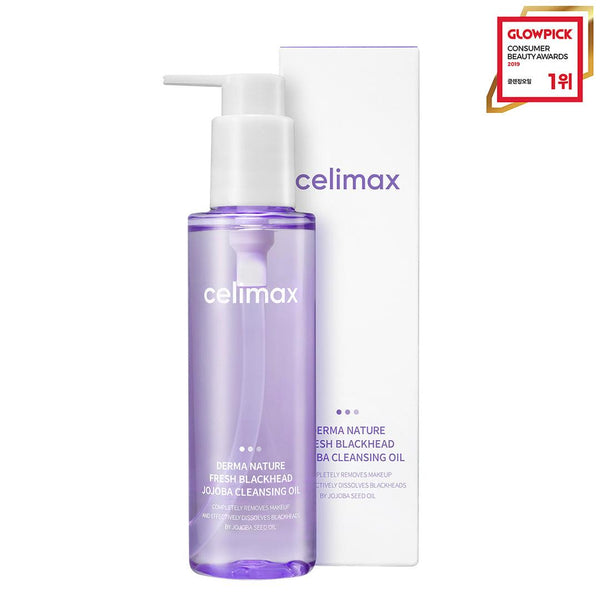


Double Cleansing Is the K-Beauty Habit That Keeps Skin Balanced
Korean skincare approaches cleansing as two steps, not one, and double cleansing is one of the routines K-beauty has exported most widely. The first step uses an oil-based cleanser or cleansing balm to dissolve makeup, sunscreen, and the oil-soluble grime that water alone leaves behind. The second step follows with an amino-acid foam or gel face cleanser that lifts away sweat, bacteria, and the residue of daily pollution. The logic is simple: get skin genuinely clean without disturbing its natural pH.
That pH point matters more than most people expect. Healthy skin sits slightly acidic, around 4.5 to 5.5, while ordinary bar soap runs alkaline at 9 to 11. A single harsh cleanser strips the surface moisture film and leaves skin feeling tight, which sets the stage for a stressed skin barrier. pH-balanced amino-acid formulas clean without that squeaky, drawn feeling, so the moisturizer that follows has something to hold onto. This first step also decides how the rest of your routine performs: the toner and serum layers only sink in properly when cleansing is done gently and well.
How Do You Choose a Korean Cleanser for Your Skin Type?
Choosing a cleanser starts with your skin type. Oily and blemish-prone skin tends to do well with clay-based foams or formulas built around BHA, which help refine the look of congested pores and keep excess shine in check; non-comedogenic labels are the safer pick here. Dry and reactive skin leans the other way, toward ceramide and centella gel or milk cleansers that stay soft on contact and help skin feel calm rather than stripped. If your skin flushes easily, gentler formulas for sensitive skin are worth prioritizing over anything foamy and high-lather.
Combination skin usually wants a light, pH-balanced foam that clears the T-zone without drying out the cheeks. If you wear makeup or sunscreen daily, the oil step is not optional: skip it and those films sit on the surface and block whatever you apply next. Enzyme powder cleansers are a flexible middle ground for almost everyone, since they activate with water and lift away dead-cell buildup without the grit of a physical scrub. As for balm versus oil, the difference is mostly texture. Balms melt from a solid and feel more cushioned, which dry and mature skin often prefers, while oils rinse into a milky emulsion and feel lighter on oilier skin. Neither one cleans better than the other, so pick the format your hands enjoy and you will actually use it every night.
Explore related edits: Face Cleanser, Oil-Based Cleansers, and Tonics.
Frequently Asked Questions About Facial Cleansing
What is double cleansing, and do I need to do it every night?
Double cleansing means an oil-based first step that breaks down makeup and sunscreen, followed by a water-based cleanser that clears sweat and everyday grime. On any night you have worn sunscreen or makeup, both steps are worth doing. On a bare-skin morning, a light foam or a plain water rinse is usually enough. Skip the oil step and sunscreen film tends to linger, which can keep your serums and actives from absorbing.
Why does a pH-balanced cleanser matter, and can I just use regular soap?
Skin's natural surface is slightly acidic, around 4.5 to 5.5, while most bar soaps are alkaline at 9 to 11. That alkaline swing can leave skin dry, tight, and more reactive over time. pH-balanced cleansers are formulated closer to skin's own level, around 5.5, so they clean without upsetting the barrier. With regular use, many people notice their skin simply feels more comfortable and less easily irritated.
What is the difference between a cleansing balm and a cleansing oil?
Both are oil-based first-step cleansers, and the real difference is texture. A cleansing balm starts solid or semi-solid and melts with warmth into a rich oil, which dry and mature skin often finds more nourishing. A cleansing oil is liquid and turns into a milky emulsion when it meets water, which oily skin tends to prefer for feeling lighter. Neither removes makeup more effectively, so it comes down to the feel you like.
Which cleanser suits oily, blemish-prone skin?
Clay-based foams and BHA cleansers are popular for oily, blemish-prone skin because they help keep pores looking clear and manage the look of excess shine. Choose non-comedogenic formulas so nothing you use to clean is likely to clog. Pairing a light oil cleanser at night with a gentle water-based foam keeps things thorough without over-drying, which can push oily skin to produce even more sebum.
Are enzyme powder cleansers good for sensitive skin?
Enzyme powders suit most skin types, including reactive skin, because they activate only when mixed with water and lift away dead-cell buildup without the scratch of a physical scrub. They give a smoother-looking, fresher finish while staying gentle. If your skin is very dry or easily flushed, start with a couple of uses a week and see how it responds before making it a daily step.
Do I still need to cleanse in the morning if I did not wear anything overnight?
Yes, though it can be lighter. Overnight your skin sheds cells and produces oil, and a soft foam or even a quick water rinse clears that so your morning products apply evenly. A pH-balanced formula keeps the barrier comfortable for the day ahead. Save the full two-step cleanse for the evening, when there is makeup, sunscreen, or city grime to take off.
Are the cleansers at Vionine authentic?
Yes, every cleanser at Vionine is 100% authentic, with fast US shipping. We stock Korean cleansing balms, oil cleansers, amino-acid foams, and enzyme powders sourced through proper channels, so you get the real formula and texture the brand intended.