




Toners Do More in a Korean Routine Than in Western Skincare
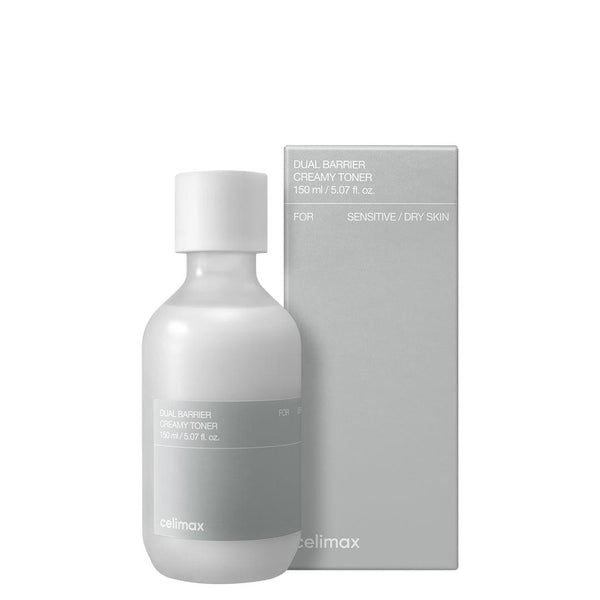
In Western cosmetics the toner spent years as an alcohol-heavy, drying formula whose only job was wiping off cleanser residue. Korean skincare reframed it as the bridge step of the routine, a single stage that rebalances the skin's pH after cleansing, prepares the surface so the products that follow absorb more evenly, and in some formulas delivers active ingredients of its own. Two families sit at the center of the K-beauty toner world. A hydrating toner leans on humectants and barrier-friendly ingredients like ceramides or madecassoside, so it stays gentle and readies the skin for the next steps; it is the first pick for dry and easily reactive skin, and it pairs naturally with a barrier support layer underneath a cream. An exfoliating toner instead carries AHA, BHA, or PHA acids that loosen dead-cell buildup and keep congested-looking pores clearer, essentially the toner-format version of a chemical exfoliation step, and it suits oily and blemish-prone skin used a few times a week rather than daily.
There is also a third route worth knowing. Toners built around brightening actives such as tranexamic acid or niacinamide move tone care to the earliest point in the routine, which is a smart way to work on the look of dark spots and uneven tone before serums and creams go on. If your skin runs sensitive or flushes easily, centella-based tonics are the calmer option; formulas with centella and cica help skin feel soothed and comfortable while still doing the pH and prep work. The point is that a toner is no longer an afterthought. It is where you set the tone, quite literally, for everything that comes after it, and the right one depends on what your skin actually needs that day.
Which Toner Fits Your Skin and How Do You Layer It?
Start with the split. Dry, tight, or sensitive skin does best with a hydrating toner it can use every morning and night, while oily and blemish-prone skin benefits from an exfoliating toner three to five times a week to keep buildup and congested-looking pores in check. You do not have to choose only one. A common approach is exfoliating toner first on the nights you use it, then a hydrating toner layered on top to keep things comfortable. Where hydrating toners really shine is the 7-skin method, a Korean layering technique that means pressing the same lightweight toner into the skin in as many as seven thin passes. Instead of reaching for a mask or a heavy serum, you saturate the surface with a gentle formula, and later products sink in noticeably better. It is a practical fix for dry, depleted skin that needs to close a moisture gap quickly, and it works best with a thin, fast-absorbing texture like the ones in the Sungboon Editor range.
Application matters more than people expect. Both cotton pads and bare hands are valid, but hand application has become the Korean default, especially for the 7-skin method. Cotton can soak up part of the formula and waste it, whereas patting with your hands saves product and adds a little warmth and light pressure that helps absorption. Save the cotton pad for exfoliating toners and pre-soaked pad formats, where the gentle mechanical sweep is part of the benefit. One more thing to keep in mind: the order runs thinnest to thickest, so toner, then essence, then serum, then moisturizer. Toner is the most watery and prepares the ground, essence sits a step up in richness, and serum carries the most concentrated actives. Microbiome-balancing and barrier-friendly toners tend to feel their best when layered this way, which is exactly why the pre-serum toner step keeps growing in popularity.
Explore related edits: AHA, BHA & PHA, Moisture & Barrier, and Essence.
Frequently Asked Questions About Tonics
What is the difference between a hydrating toner and an exfoliating toner, and which should I choose?
A hydrating toner uses humectants and barrier-friendly ingredients to keep skin comfortable and prepped, so it suits every skin type and daily use. An exfoliating toner contains AHA, BHA, or PHA acids for chemical exfoliation and is usually used three to five times a week for dead-cell buildup, congested-looking pores, and uneven tone. Dry and sensitive skin tends to start with hydrating; oily and blemish-prone skin tends to start with exfoliating. You can also use both, exfoliating first and a hydrating layer after.
What is the difference between a toner, an essence, and a serum, and in what order do they go?
A toner is the thinnest, most watery step; it balances pH after cleansing and preps the skin for what follows. An essence is a little richer with a higher active load than a toner but lower than a serum, easing the transition toward moisturizer. A serum is the most concentrated step where targeted care happens. The order is toner, essence, serum, then moisturizer, layering from thinnest texture to thickest.
Should I apply toner with a cotton pad or with my hands?
Both work, but hand application has become the Korean norm. Cotton can absorb some of the formula and waste it, while patting with your hands saves product and adds light warmth and pressure that supports absorption, which matters most during the 7-skin method. Keep the cotton pad for exfoliating toners and pad-format tonics, where the gentle mechanical sweep is part of the point.
What is the 7-skin method?
It is a Korean layering technique where you press the same lightweight hydrating toner into the skin in up to seven thin passes. Rather than using a mask or a heavy serum, the repeated layers saturate the surface and help later products absorb more evenly. It is especially handy for dry, depleted skin that needs to close a moisture gap fast, and it calls for a thin, quick-absorbing toner texture.
Can a toner help with the look of blemish-prone skin?
Yes. Exfoliating toners with BHA or PHA help keep pores looking clearer and reduce the look of buildup, which suits oily and blemish-prone skin used a few times a week. Toners with soothing centella or cica are a gentler route for skin that flushes easily. Neither is a medical product; they support a clearer, more comfortable-looking complexion as part of a consistent routine.
How often can I use a toner?
Hydrating toners are gentle enough for morning and night, every day, and they layer well under the rest of your routine. Exfoliating toners are best limited to about three to five times a week so the skin stays comfortable. If your skin feels tight or looks irritated, cut back the exfoliating step and lean on the hydrating one until things settle.
Are the toners at Vionine authentic?
Yes, every toner at Vionine is 100% authentic Korean skincare, sourced from the brands and shipped with fast US shipping so you get the real formula, not a knockoff.