


Walk down any K-beauty aisle and you will find two bottles that look almost identical: a serum and an ampoule, each with a dropper, each promising a concentrated dose of something good. The honest answer to serum vs ampoule is that the line between them is softer than most labels suggest. "Ampoule" is not a defined product category under US cosmetic rules, and brands everywhere use the word loosely. What follows is the typical difference between serum and ampoule formulas, not a hard rule, plus how to use each one and how to tell whether your routine needs one, the other, or both.
If you are still sorting out the earlier steps, we have a separate guide on how toners, essences and serums differ. This one stays narrow: the serum step, and the ampoule that likes to sit right next to it.
What an ampoule actually is
The word comes from pharmacy. An ampoule was originally a small sealed glass vial holding a single measured dose, snapped open and used right away. Korean skincare borrowed the name for products meant to feel like that: small, potent and focused on one result. Today most ampoules come in an ordinary dropper bottle, and the name signals intent more than format.
In practice, an ampoule is a serum-type product that the brand wants you to read as more concentrated or more targeted. Sometimes that holds up in a measurable way, with a stated percentage of a key ingredient. Sometimes it is mostly naming. Our own shelves prove the point. The word turns up on a cleansing foam, a toner, a face mist, a tub of cotton pads and a cream, and none of those is an ampoule in the classic sense. They borrow the word to suggest a richer dose of the line's signature ingredient.
So read the label as a hint, not a definition. The ingredient list tells you far more, and if a name on it is new to you, our skincare ingredient glossary covers the common ones.
Concentration and texture, side by side
The typical ampoule vs serum pattern goes like this. A serum carries one or a few actives at a level meant for everyday use over months. An ampoule usually narrows the focus further, either with a higher amount of a single hero ingredient or with a short, stripped-back formula built around it. Ampoules also tend to come in smaller bottles, which fits the idea of a product you use a few drops at a time.
Texture is less predictable than people expect. Ampoules are often described as thicker, yet plenty of them are watery. The SKIN1004 Madagascar Centella Ampoule is a good example: seven ingredients, centella asiatica extract listed at 30,000 ppm, and a light, slightly slippery feel closer to an essence than a gel. Its sibling, the SKIN1004 Probio-Cica Intensive Ampoule, goes the other way, with a more cushioned texture built on ceramide, niacinamide and polyglutamic acid.
Serums vary just as much. The Beauty of Joseon Glow Deep Serum uses rice bran water as its base with alpha-arbutin and feels light and slippery. The Anua Niacinamide 10% + TXA 4% Serum puts its actives right in the name and adds light seed oils for a softer finish. When you compare two products, line up the percentages and the first few ingredients. That beats the word on the front every time.
Bottles, droppers and the old glass vial
Format is where ampoules once stood apart. Single-dose vials kept each portion sealed away from air and light until use, which mattered for fragile ingredients. You still see a trace of that thinking in capsule formulas that suspend ingredients in tiny beads you break as you spread them.
Most ampoules now ship in 20 to 55 ml dropper bottles, the same as serums. The Centellian24 Vita C Vitalizing Boosting Ampoule comes in a 20 ml bottle with 23% dual vitamin C (ascorbic acid plus ethyl ascorbyl ether) in a liposomal format. The small size makes sense for vitamin C, which is known to be sensitive to air and light, so a bottle you finish quickly is a sensible design choice.
Smaller bottles can also mean a higher price per milliliter. It is worth doing that math rather than assuming the ampoule is automatically the premium pick.
Using an ampoule day to day
An ampoule goes exactly where a serum goes: after cleansing and toner, before moisturizer. A few drops cover the face. Press them in with your palms rather than rubbing, and give the layer a moment to settle before the next one.
Some ampoules come with extra ideas. Celimax suggests soaking a cotton pad with its Noni II Ampoule and leaving it on dull-looking areas for about 10 minutes as a mini mask, alongside normal morning and evening use. An instruction like that tells you the product is meant to be flexible, not saved for special occasions. In the morning, any ampoule or serum sits under moisturizer and sunscreen, and that last step matters most when the formula is aimed at tone.
Ampoule or serum first?
Layering runs thinnest to thickest, and that settles most ordering questions. If your ampoule is watery and your serum is a gel, the ampoule goes first. If the ampoule is the richer of the two, flip them. Our guide to the full layering order covers every step around them.
When two textures feel nearly identical, put the product tied to your top priority first, closest to clean skin. Wait until it feels mostly absorbed, often a minute or so, before the second. Pilling, those little rolled bits on the surface, usually means too much product or not enough time between layers.
One caution: avoid doubling up on the same active without noticing. Niacinamide is a common hidden overlap. The Beauty of Joseon serum lists it even though rice and arbutin are the headline, so pairing it with a 10% niacinamide serum adds up quickly. If skin starts to feel tingly or tight, split the two between morning and night or drop one.
The short-course habit, and when it fits
Ask a Korean beauty editor about ampoules and you may hear them described as a booster, something used intensively for a few weeks during a change of season, a stretch of dry office air or the run-up to an event, then set aside. That framing is useful. It is a habit, though, not a rule printed on the bottle.
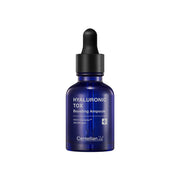
Many of the ampoules we carry are designed for daily use, morning and night, with no end date. The Centellian24 Hyaluronic Tox Ampoule, built around ten types of hyaluronic acid, is described by the brand as a concentrated daily serum. So follow the directions. If they say daily, use it daily.
If you like the booster idea, it works best when the goal is hydration or calmer-looking skin, because those changes show quickly. Tone and texture goals usually need several weeks of steady use, which is closer to a serum habit anyway.
Do you need an ampoule and a serum?
Most routines do not. One well-chosen targeted product after toner covers the majority of goals, and adding a second just to have more steps only adds cost and more chances for skin to feel overloaded.
Both make sense when you have two different goals. A common pairing is a centella or hydrating ampoule for comfort plus a serum for tone, such as a light centella ampoule under a niacinamide serum. Another is seasonal: keep your usual serum and add a hydrating ampoule through the dry months. With sensitive skin, start with one, give it a few weeks, and only then add the second so you can tell which one your skin likes.
Choosing one by skin goal
Start with the goal, then the ingredient, and only then the name on the bottle. For skin that feels dry or tight, look for hyaluronic acid, panthenol and ceramides. Our hyaluronic acid collection puts ampoules and serums with it in one place, so you can compare textures without guessing.
For skin that looks red or feels easily stressed, centella is the classic K-beauty choice, and short, fragrance-free formulas are the easiest place to start. The centella and cica edit gathers the ampoules and serums built around it.
For dullness and uneven-looking tone, vitamin C, arbutin, niacinamide and tranexamic acid are the usual names, and a serum with stated percentages is often the clearest pick. If you want a bit of glow and comfort in one step, the Celimax Noni II Ampoule pairs noni fruit extract with vegan fermented collagen and panthenol. Everything else lives in our full serum collection, ampoules included.
Shop Serums and Ampoules
Four ampoules and two serums that all belong in the same step after toner, so you can compare textures and key ingredients side by side.


Frequently Asked Questions
What is an ampoule in skincare?
An ampoule is a concentrated, serum-type product named after the sealed glass vials used in pharmacy. It usually centers on one key ingredient, either at a higher level or in a short formula. It is not a regulated category, so the name varies by brand. You apply it after toner and before moisturizer, just like a serum.
Is an ampoule stronger than a serum?
Often, but not always. Some ampoules state a higher percentage of their hero ingredient, while others are light, minimal formulas that feel gentler than many serums. Compare the stated percentages and the first few ingredients rather than relying on the name.
Can I use an ampoule instead of a serum?
Yes. Both fill the same step in a routine, so if one product covers your main goal, you do not need the other. Add a second only when you have a separate goal it would serve.
Do I apply the ampoule or the serum first?
Go thinnest to thickest. The more watery product goes first, the richer one second. If they feel the same, apply the one tied to your top priority first and let it absorb for a minute before the next.
How long should I use an ampoule?
Follow the directions on the product. Many ampoules are made for daily morning and night use with no end date. Some people still like a booster approach of a few weeks during dry seasons or before an event, which works best for hydration goals.
Are ampoules good for sensitive skin?
It depends on the formula, not the name. Short, fragrance-free ingredient lists, like the seven-ingredient centella ampoule from SKIN1004, are an easier starting point. Patch test anything new and introduce one product at a time.
Why do some cleansers and toners say ampoule on the label?
Brands borrow the word to suggest a richer dose of a line's signature ingredient. An ampoule foam or ampoule toner is still a cleanser or a toner, and it is used in that step, not in place of your serum.


