Why an Oil-Based Cleanser Is the First Step in a K-Beauty Routine
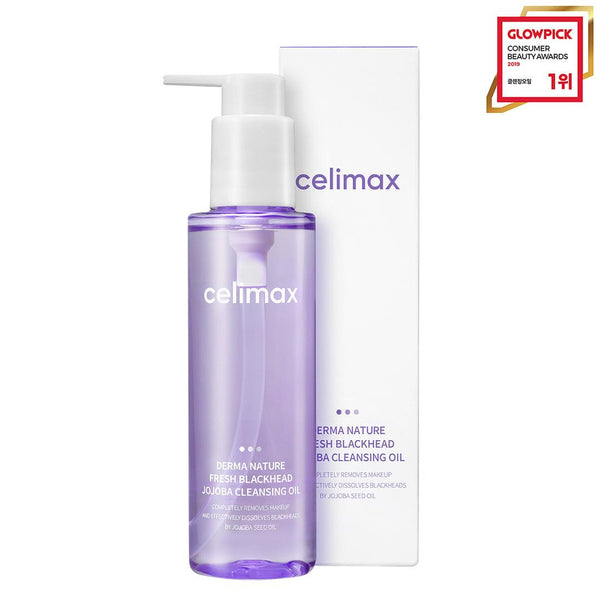
Oil-based cleansers work on a simple principle: oil dissolves oil. A cleansing oil melts through sunscreen, long-wear makeup, and the waxy sebum that water and foam struggle to shift, then rinses away once you add water and emulsify. Lightweight plant oils like jojoba are a popular choice because they feel close to skin's own oil, so they lift buildup out of pores without leaving a heavy film. That makes an oil cleanser the natural first step before your water-based face cleanser.
This two-step method is what K-beauty calls the double cleanse, and it is the backbone of most facial cleansing routines. Clearing oil-based grime first means your second cleanse and everything after it can actually reach the skin. If congestion around the nose is your main frustration, a jojoba-based oil pairs neatly with blackhead and pore pads to keep that area looking clearer and support the appearance of refined pores.
How to Use an Oil Cleanser Without Clogging Your Skin
Apply the oil to dry hands and dry skin, then massage for about a minute so it can bind to makeup and sunscreen. Add a little lukewarm water to turn the oil milky, keep massaging, and rinse fully. The emulsifying step is the part people skip, and it is what stops residue from sitting on the skin. Follow with a gentle foam so nothing is left behind.
Oil cleansing suits nearly every skin type, including oily and blemish-prone skin, because a well-made cleansing oil rinses clean rather than clogging. If you run oily and want extra reassurance, look for lightweight, non-comedogenic oils and pair them with oil and sebum control steps later in your routine. Very dry skin can even use a cleansing oil as a comforting first step morning and night.
Explore related edits: Face Cleansers, Pore Care, and Blackhead Pads.
Frequently Asked Questions About Oil-Based Cleansers
What does an oil-based cleanser do?
It dissolves oil-soluble grime like sunscreen, makeup, and excess sebum that water-based cleansers leave behind. You massage it in dry, then add water to rinse it away clean.
Do I still need a second cleanser after using oil?
Yes, for a full double cleanse. Follow the oil with a water-based cleanser to remove any residue and finish the job.
Will a cleansing oil clog my pores or cause breakouts?
A properly formulated cleansing oil rinses away fully, so it should not clog pores. Lightweight oils like jojoba are a common choice for blemish-prone and oily skin.
Is oil cleansing good for blackheads?
Oil cleansing can help loosen the sebum that collects in pores, so it is a useful step if blackheads around the nose are a concern. Pair it with blackhead pads for targeted care.
Can oily skin use an oil cleanser?
Yes. Because oil dissolves oil, a cleansing oil can leave oily skin feeling cleaner and less congested when you emulsify and rinse properly.
How often should I oil cleanse?
Most people oil cleanse at night to remove sunscreen and makeup. If your morning skin feels clean, a simple water rinse in the AM is enough.
Are these authentic Korean cleansing oils?
Yes, each formula is genuine K-beauty shipped within the US, so you receive the authentic Korean product.